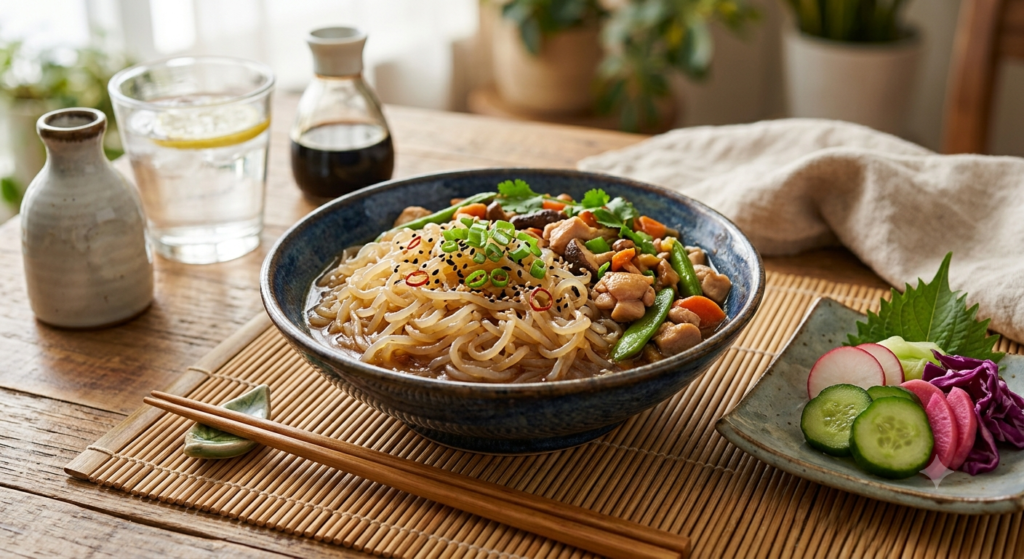
Anyone who has ever tried to cut back on regular rice knows the struggle. You want the comfort of a big bowl but not the heavy carb load or the calorie count that comes with it. That is exactly where shirataki rice steps in and changes the game for so many people. This unique product, made from the konjac plant, delivers a rice-like experience with almost no calories and virtually zero net carbs. It has become a quiet favorite among those following keto, low-carb, diabetic-friendly, or simply calorie-conscious ways of eating.
The beauty of this food lies in its simplicity and versatility. Once you learn how to prepare it correctly, it turns into a blank canvas that soaks up whatever flavors you throw at it. Whether you are building a quick weeknight stir-fry, a comforting curry, or a colorful grain bowl, it holds its own without weighing you down. In the pages ahead we will walk through everything you need to know so you can use it with confidence and actually enjoy the results. From its Japanese roots and exact nutritional breakdown to cooking secrets, creative recipes, potential drawbacks, and long-term tips, this guide covers the full picture in a straightforward, practical way.
What Shirataki Rice Actually Is and Where It Comes From
Shirataki rice begins with the konjac plant, a root vegetable that has been grown and eaten in parts of Asia for hundreds of years. The plant produces a large underground corm packed with a special soluble fiber called glucomannan. Processors grind that corm into flour, mix it with water and a tiny amount of food-grade lime water, then form the gel into small rice-shaped pieces. The finished product is usually sold in sealed packages filled with liquid to keep it fresh.
People often call it konjac rice or miracle rice because of how dramatically different its numbers look compared with ordinary grains. The Japanese word “shirataki” roughly translates to “white waterfall,” a nod to the clear, flowing appearance of the noodles and rice shapes made from the same material. In traditional Japanese cooking the related product known as konnyaku has been used in stews and hot pots for a long time. The modern rice version simply takes that same base and shapes it for Western-style meals that usually revolve around rice. Because the product is almost entirely water and fiber, it fits into many restricted eating styles without forcing you to give up the feeling of a full plate.
A Clear Look at the Nutrition Numbers
When you open a package and look at the label, the numbers can feel almost too good to be true. A typical one-hundred-gram serving of shirataki rice contains somewhere between five and fifteen calories. Total carbohydrates usually sit at one to three grams, and nearly all of that is fiber, so net carbs land close to zero. Protein and fat are essentially absent, and sodium stays low unless the packing liquid has been seasoned.
Compare that with a similar weight of cooked white rice, which often brings about one hundred thirty calories and twenty-eight grams of carbohydrates. Brown rice improves the fiber and micronutrient picture a little but still carries a substantial carb load. The high water content, roughly ninety-seven percent, is the main reason the calorie count stays so low. The remaining three percent is almost pure glucomannan, the fiber that does most of the heavy lifting when it comes to fullness and digestive effects. Because the fiber is not broken down into sugar, blood glucose stays steady even after a generous portion. That combination of volume, fiber, and near-zero energy density is what makes the product stand out for people who want to feel satisfied without the usual rice trade-offs.
| Nutrient | Shirataki Rice (per 100 g) | Cooked White Rice (per 100 g) | Cooked Brown Rice (per 100 g) |
|---|---|---|---|
| Calories | 5–15 kcal | ~130 kcal | ~112 kcal |
| Total Carbohydrates | 1–3 g | ~28 g | ~23 g |
| Dietary Fiber | 2–4 g | ~0.4 g | ~1.8–3.5 g |
| Net Carbs | Near 0 g | ~27–28 g | ~20–22 g |
| Protein | 0 g | ~2.7 g | ~2.6 g |
| Fat | 0 g | ~0.3 g | ~0.9 g |
| Water Content | ~97 % | ~68 % | ~70 % |
Looking at the table side by side makes the differences obvious. Traditional rice supplies quick energy and a few residual nutrients, while the konjac version prioritizes filling volume with almost no caloric cost. That trade-off works beautifully for certain goals and less so for others, which is why understanding your own needs matters.
How the Fiber Helps with Weight Management
One of the biggest reasons people reach for this product is its effect on appetite and calorie intake. Glucomannan can absorb many times its weight in water and form a thick gel in the stomach. That gel takes up space and slows the rate at which food leaves the stomach, so you feel full longer after a meal. When you replace a two-hundred-calorie bowl of regular rice with a ten-calorie portion of the prepared konjac version, the calorie savings add up quickly over days and weeks.
The feeling of fullness is real for most people who use it consistently. You can still enjoy a large, satisfying plate without the energy density that usually comes with grains. Of course the product does not magically melt fat on its own. It works best when it takes the place of higher-calorie foods inside an overall balanced pattern of eating. Many users report that the simple swap makes it easier to stay in a mild calorie deficit without constantly feeling hungry or restricted. Pairing the grains with protein, vegetables, and healthy fats turns the meal into something that keeps energy steady for hours.
Blood Sugar Support and Steady Energy
For anyone watching blood glucose, the near-zero impact of this food is a major advantage. Because the fiber is not digested into glucose, a serving does not raise blood sugar the way starchy rice does. When you eat it alongside other foods, the gel also slows the absorption of any carbohydrates present in the rest of the meal. That gentler rise can help people with type 2 diabetes or prediabetes keep numbers more stable after eating.
Steady blood sugar often translates into steadier energy and fewer afternoon crashes. Instead of the spike-and-drop pattern that can follow a high-carb rice dish, you get a more even ride. Some people notice they feel less driven to snack between meals when their main dishes include this base. The effect is modest but meaningful when used as part of a broader approach that also includes balanced protein, fiber-rich vegetables, and mindful portions of other carbs.
Gut Health and Digestive Benefits
Glucomannan acts as a prebiotic, meaning it feeds the beneficial bacteria that live in the large intestine. Those bacteria produce short-chain fatty acids that support the gut lining and overall digestive comfort. Regular intake of soluble fiber like this one is linked with better bowel regularity for many people. The water-binding ability of the fiber also softens stool and can ease mild constipation when fluid intake is adequate.
Starting slowly is wise. A sudden jump in fiber can cause temporary bloating or gas while the gut microbiome adjusts. Most people find that beginning with half a package and increasing over a week or two avoids discomfort. Drinking plenty of water throughout the day helps the fiber do its job smoothly. Over time many users notice improved regularity and a general sense of digestive ease when the product becomes a regular part of their rotation.
Cholesterol and Heart Health Angles
Soluble fibers have a well-known ability to bind bile acids in the intestine and encourage their excretion. The body then uses cholesterol to make more bile acids, which can gently lower circulating LDL cholesterol over consistent use. While the effect of the food form is milder than concentrated supplements, the daily inclusion of glucomannan still contributes to the overall fiber intake that supports heart health.
When the product replaces refined grains that offer little fiber, the net change in diet quality can be positive. Combining it with other heart-friendly habits such as eating more vegetables, choosing unsaturated fats, and staying active multiplies the benefit. No single food is a cure-all, yet small consistent upgrades like this one add up across months and years.
The Right Way to Prepare It So It Tastes Good
Opening a fresh package often reveals a mild odor from the packing liquid. That smell is normal and disappears with proper handling. Drain the liquid completely, then rinse the grains under cool running water for a full minute or two while moving them around with your fingers. This step removes most of the residual taste and any excess calcium compounds.
Many experienced cooks next place the rinsed grains in a pot of boiling water for two to three minutes. The brief boil further neutralizes any remaining odor and starts to improve the texture. Drain thoroughly, then transfer the grains to a hot, dry nonstick skillet. Stir over medium heat for five to ten minutes until the surface moisture evaporates and you hear light popping or squeaking sounds. At this point the texture firms up and becomes pleasantly chewy rather than slippery. Only after the dry-sauté step should you add oil, garlic, spices, or sauce. Skipping these stages is the main reason first-time users end up disappointed. With a little practice the whole process takes less than fifteen minutes and reliably delivers a base that works in almost any dish.
Simple Everyday Recipes That Actually Work
A reliable fried rice starts with a package of the prepared grains. Heat a little sesame oil in a wide pan, add minced garlic and ginger, then toss in scrambled egg, sliced cabbage, broccoli florets, and green onions. Season with tamari or coconut aminos and a pinch of chili flakes if you like heat. The result tastes close to takeout while staying extremely light on calories and carbs.
Curries are another natural fit. Prepare a rich coconut chicken or vegetable curry with plenty of spices, then ladle it over a warm bed of the grains. The pieces soak up the sauce without turning mushy and give you the satisfaction of a full rice bowl. For a lighter lunch, build a bowl with grilled fish or tofu, roasted vegetables, avocado, cucumber, and a bright citrus or yogurt dressing. Even breakfast can include the product: warm the grains and fold them into scrambled eggs with spinach and a sprinkle of cheese for a savory start to the day. Leftovers keep well in the refrigerator for a few days and reheat best in a hot skillet so the texture stays lively.
How It Stacks Up Against Other Low-Carb Rice Swaps
Cauliflower rice remains the most popular vegetable alternative and brings extra vitamins and a mild cruciferous flavor. It cooks quickly and works in many of the same recipes, yet its net carb count is higher than the near-zero figure of the konjac version. Broccoli rice and cabbage rice offer similar vegetable benefits with their own distinct tastes. Hearts of palm rice provides a firmer bite and a different nutritional profile.
Among these options, shirataki rice stands out for pure calorie and carbohydrate restraint. People following very strict ketogenic protocols often choose it for that reason. Those who want more micronutrients may rotate among the vegetable options or mix a small amount of traditional rice with a larger volume of the konjac product to ease the transition. Texture preference also plays a role. Some people enjoy the chewy, bouncy quality of well-prepared konjac grains, while others prefer the softer feel of riced cauliflower. Trying a few side by side quickly shows which ones you will reach for most often.
Possible Drawbacks and Simple Solutions
The most common complaints involve the initial smell and the somewhat gelatinous texture before proper cooking. Both issues resolve with thorough rinsing, a short boil, and dry-sautéing. Another limitation is the sparse nutritional profile beyond fiber and water. Because the product supplies almost no protein, fat, vitamins, or minerals, it works best as a volume extender rather than a complete meal component. Pairing it with nutrient-rich foods fills that gap easily.
Some people experience temporary digestive changes when they first introduce larger amounts of glucomannan. Starting with modest portions and drinking plenty of water usually prevents discomfort. Anyone with existing digestive conditions may want to check with a healthcare professional before making the product a daily staple. Overall the drawbacks remain manageable for most users who follow the recommended preparation steps and keep their plates balanced.
Smart Shopping and Storage Advice
Look for clearly labeled packages in the refrigerated section of larger grocery stores, Asian markets, or specialty online retailers. Check the ingredient list to confirm that glucomannan and water form the main components. Some versions include a small amount of tofu for a slightly different texture. Organic options are available if that matters to you. Once opened, use the contents within a few days or store leftovers in an airtight container in the refrigerator. Freezing is generally not recommended because it changes the gel structure in an unappealing way. Dry versions that need rehydration exist but are less common; they expand significantly when cooked and can be useful for longer storage.
Fitting It Into Different Ways of Eating
Ketogenic eaters value the near-zero net carbohydrate count that allows generous portions without disrupting ketosis. Low-carb and diabetic meal plans benefit from the minimal blood-sugar impact. Gluten-free and grain-free diets find a ready substitute that avoids common allergens. Vegan and vegetarian plates gain a filling base that pairs easily with plant proteins and vegetables. Even people who simply want to lower overall calorie density can swap it into familiar recipes without feeling deprived of volume. The key is to treat it as one flexible tool rather than a complete solution. Variety across the week keeps meals interesting and nutritionally complete.
The Science Behind Glucomannan in Everyday Language
Glucomannan is a type of hemicellulose polysaccharide with an impressive ability to hold water. In the stomach and small intestine it forms a viscous gel that slows gastric emptying and nutrient absorption. That mechanism contributes to longer-lasting fullness and gentler blood-sugar responses. In the large intestine the fiber feeds beneficial microbes that produce short-chain fatty acids linked to gut health. Studies on purified glucomannan supplements have shown modest improvements in body weight, cholesterol markers, and fasting glucose when used consistently alongside dietary awareness. The food form delivers the fiber in a more natural matrix and lets you enjoy actual meals instead of taking separate capsules. Understanding this background helps explain why so many people feel more satisfied after dishes built around the prepared grains.
Clearing Up Common Myths
Some marketing language calls the product a miracle food, which can create unrealistic expectations. While the calorie and carbohydrate numbers are genuinely impressive, the item still needs proper preparation and thoughtful pairing to deliver enjoyable results. Another myth is that it alone guarantees weight loss. Sustainable progress depends on the overall pattern of eating, activity level, and individual metabolism. Texture complaints often come from incomplete preparation rather than any inherent flaw. Clarifying these points helps set realistic expectations and encourages successful long-term use. Experienced cooks usually say the learning curve is short and the payoff is worth the small effort once the steps become routine.
Building Meals Around It for the Long Term
Making the product a regular part of your rotation works best when it replaces higher-calorie items rather than simply adding extra volume on top of an already full plate. Rotating it with other low-carb bases prevents boredom and ensures a broader nutrient intake. Paying attention to how your body responds in terms of energy, digestion, and overall satisfaction gives useful personal feedback. Some people thrive with daily use, while others prefer it several times a week as a strategic tool. Listening to your own cues is more valuable than following rigid rules. Over months of consistent inclusion, many notice easier adherence to calorie or carbohydrate targets and greater enjoyment of dishes that once felt off-limits.
Expanding the Recipe Collection with Everyday Ideas
Beyond the classic fried rice and curry applications, try the prepared grains as a base for Mexican-inspired bowls topped with seasoned ground meat or beans, salsa, avocado, and a squeeze of lime. Asian-style soup bowls benefit from the addition of the grains to broths filled with mushrooms, bok choy, and soft-boiled eggs. Mediterranean plates can feature the product alongside grilled chicken, cucumber-tomato salad, olives, and a yogurt-based dressing. Some people even experiment with a warm breakfast version mixed with cinnamon, a touch of sweetener, and coconut milk for a low-carb porridge-style dish, though savory uses remain far more popular. The neutral character invites endless customization once the basic cooking method is mastered.
Practical Tips for Consistent Success
Keep a few unopened packages in the refrigerator so you always have a quick option on busy nights. Prepare a larger batch of the dry-sautéed grains and store them for two or three days to speed up weeknight cooking. Taste as you go when seasoning because the grains themselves contribute almost no flavor. Balance every plate with protein and colorful vegetables so the meal feels complete and satisfying. If you are new to the product, start with one package and a simple recipe before moving to more elaborate dishes. Over time the process becomes second nature and the results become reliably good.
A Word on Sustainability and Availability
Konjac is grown mainly in certain Asian regions where the climate suits the plant. Choosing reputable brands that source carefully supports consistent quality. Packaging usually consists of plastic pouches filled with liquid, so rinsing and recycling practices matter for those concerned about waste. The long shelf life of unopened packages reduces food waste compared with many fresh produce alternatives. As interest continues to grow, more producers are refining their methods, which should improve availability and variety over the coming years.
Putting It All Together in Real Life
The real power of this food shows up in the small daily choices. Swapping it into a few meals each week can create a noticeable difference in how full you feel and how your numbers look if you track calories or carbohydrates. The preparation steps become automatic after a handful of tries, and the range of dishes you can make keeps expanding. Whether your main goal is weight management, blood sugar stability, or simply greater flexibility in the kitchen, the product offers a practical tool that rewards a bit of initial curiosity. With the techniques and ideas covered here, you can start using it confidently and discover the combinations that work best for your own tastes and lifestyle.
Frequently Asked Questions
What is shirataki rice made from and why does it have so few calories?
Shirataki rice is made from glucomannan fiber taken from the root of the konjac plant, mixed with water and a small amount of calcium hydroxide to help it hold its shape. The finished product is roughly ninety-seven percent water and three percent fiber. Because the fiber is not digested for energy and the water contributes no calories, the overall energy density stays extremely low, usually between five and fifteen calories per one hundred grams.
How do I get rid of the smell and improve the texture of shirataki rice?
Drain the packing liquid completely, then rinse the grains under cool running water for one to two minutes while stirring them. Next, boil them for two to three minutes in fresh water, drain again, and dry-sauté in a hot skillet without oil for five to ten minutes until the moisture evaporates and the texture firms up. These simple steps remove the residual odor and transform the initial gelatinous quality into a pleasant chew that readily accepts flavors.
Is shirataki rice good for people following a keto or low-carb diet?
Yes, the near-zero net carbohydrate count makes it an excellent fit for ketogenic and other low-carb approaches. A standard serving contributes negligible digestible carbs, so you can enjoy larger portions without disrupting ketosis or blood sugar goals. Many people use the prepared grains as a base for fried rice, bowls, and curry dishes while staying comfortably within their daily carbohydrate limits.
Can I eat shirataki rice every day without problems?
Most people tolerate moderate daily amounts well once their digestive system adjusts to the higher fiber intake. Introducing large quantities suddenly can cause temporary bloating or changes in bowel habits. Starting with smaller portions, increasing gradually, and drinking plenty of water usually prevents discomfort. Anyone with existing digestive conditions should consider professional advice before making it a daily habit.
Does shirataki rice actually help with weight loss?
The extremely low calorie density and the appetite-suppressing effect of the glucomannan fiber can support weight management when the product replaces higher-calorie rice. You can still eat a generous volume of food while creating a calorie deficit. Lasting results, however, depend on the overall pattern of eating, activity level, and consistency rather than any single food. Using it strategically inside a balanced diet produces the most reliable outcomes over time.
How does the taste and texture of properly prepared shirataki rice compare with regular rice?
When rinsed, boiled, and dry-sautéed correctly, the product itself tastes neutral and takes on the flavors of the sauces and seasonings around it. The texture becomes pleasantly chewy and slightly bouncy rather than soft and fluffy like traditional rice. Many people find the difference acceptable or even enjoyable once they stop expecting an exact copy and start appreciating the unique qualities that allow generous portions with minimal caloric impact.
Conclusion
Shirataki rice offers a practical, low-impact way to keep enjoying rice-style meals while supporting goals around weight, blood sugar, or carbohydrate intake. Its high fiber content, minimal energy contribution, and ability to absorb surrounding flavors make it a valuable addition to many kitchens. Success comes from proper rinsing, boiling, and dry-sautéing, followed by creative seasoning and balanced plate composition. Whether you use it a few times a week or more often, the product rewards a bit of initial experimentation with greater flexibility and satisfaction at the table. With the information and techniques shared here, you now have everything needed to bring this konjac-based option into your own routine and make it work for the way you like to eat.