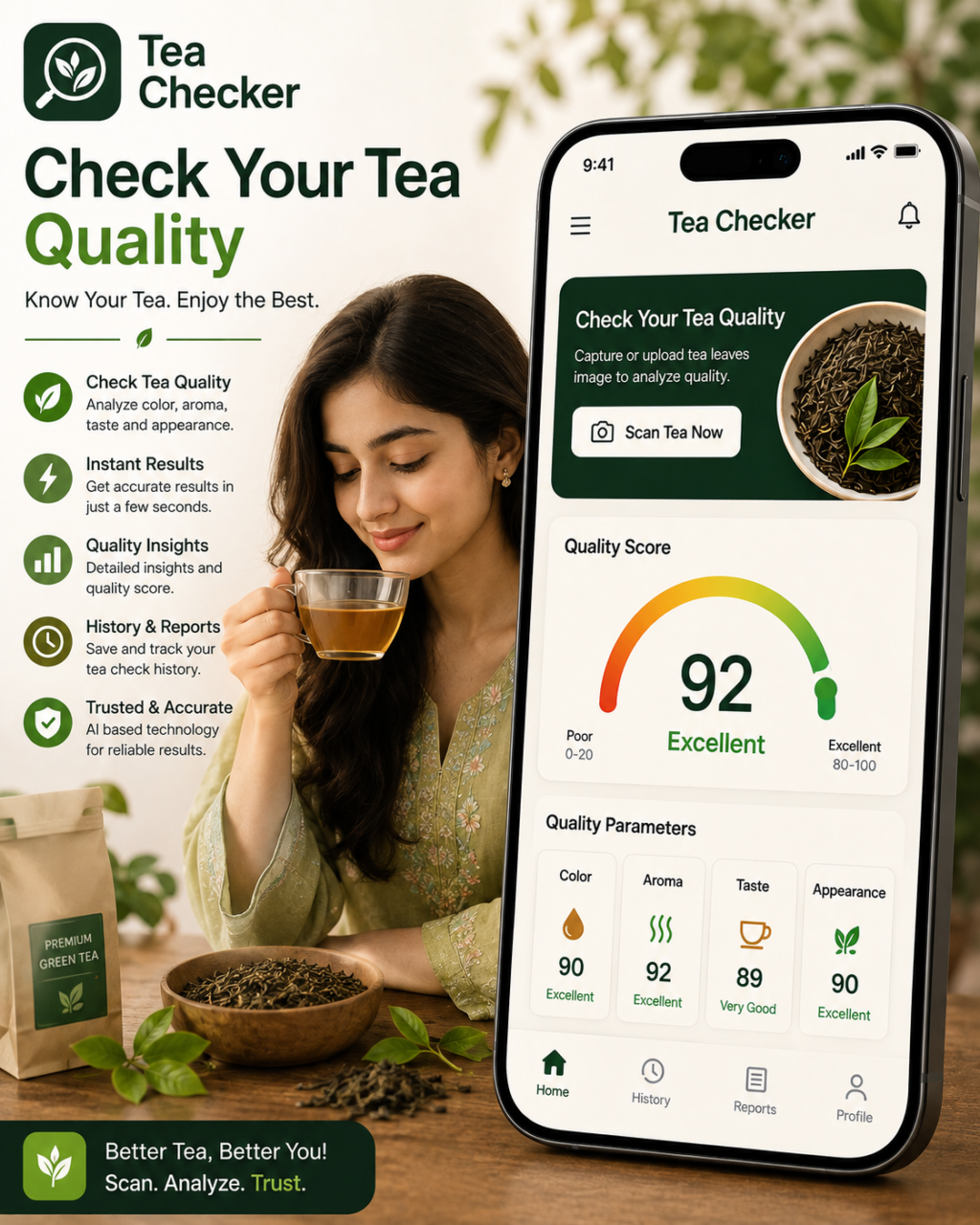
In today’s dating world, information moves fast and often stays hidden from the people it concerns most. The Tea app has become a well-known space where women share experiences, warnings, and observations about men they have dated or matched with online. Many guys only learn about possible posts when dates suddenly go cold, matches dry up, or conversations turn awkward for no clear reason. That is where a tea checker app or similar lookup service steps in. These tools aim to give men a private way to find out whether their name, photo, phone number, or other details appear in those posts.
The idea is straightforward. Tea remains women-only, so men cannot simply download the app and search for themselves. A tea checker app bridges that gap by offering scans, manual lookups, or indexed searches of publicly visible or accessible content. Results typically arrive as clear outcomes such as found, not found, or possible match, sometimes with screenshots or post details. Pricing usually sits in the low double digits for a one-time check, and the process stresses anonymity so the original poster never knows a search happened.
This guide walks through everything you need to know in plain language. We cover how these services work, what to expect from results, privacy realities, common pitfalls, and practical advice for deciding whether one is right for you. The tone stays practical and straightforward because the goal is clarity, not hype. Online reputation matters more than ever, and understanding tools like a tea checker app helps you stay informed without unnecessary stress.
Many men first notice the need after a string of unexplained ghostings. Others simply want peace of mind before investing time in new connections. Whatever the reason, approaching the topic with accurate information beats guessing. The sections that follow break down the landscape so you can make a thoughtful choice.
Understanding the Tea App and Why Checks Matter
The Tea app started as a private space for women to discuss dating experiences, red flags, and practical advice. Users post about specific men using names, cities, photos, or other identifying details. Posts often include tags for green flags or red flags, comments from other women, and personal stories. Because the platform limits access to verified women, men have no direct way to see whether they appear.
This structure creates an information imbalance. A post can influence how other women view someone long before that person realizes anything exists. Some posts are factual and helpful. Others may contain incomplete context, misunderstandings, or outright inaccuracies. Either way, the person named usually receives no notification. The result is that dating behavior can shift for reasons the man never sees.
Interest in checking tools grew as the app gained popularity and faced public attention around data issues. People began looking for discreet methods to learn their status. A tea checker app responds to that demand by offering a way to query available information without joining the platform or alerting anyone. Demand remains strong in active dating cities where local posts circulate quickly.
The value of knowing goes beyond curiosity. Awareness lets someone address real issues if a post is accurate, correct misunderstandings when possible, or simply adjust expectations. It also reduces the mental load of wondering why patterns keep repeating. Many users report that a clean result brings relief, while a found result at least ends the uncertainty.
Context matters here. Not every sudden change in dating luck traces back to a Tea post. Algorithms, personal circumstances, and ordinary mismatches still play large roles. Still, when multiple signs point the same direction, a targeted check can provide useful data. Approaching the process calmly and with realistic expectations produces the best outcomes.
What a Tea Checker App Actually Does
A tea checker app or service functions as a third-party lookup tool focused on Tea content. Some versions emphasize near-instant results by maintaining an index of publicly visible posts. Others rely on manual searches performed by people with access to the platform. In both cases the user supplies identifying details such as first name, city, age range, phone number, photo, or social handle. The service then searches for matches and returns a report.
Typical results fall into a few clear categories. Found usually includes supporting details like post text, comments, or redacted screenshots when available. Not found means no matching record appeared under the provided information. Possible match or uncertain indicates something similar turned up and needs further judgment from the user. Good services explain how they reached the conclusion so the recipient can evaluate the strength of the match.
Privacy forms a core part of the design. Reputable options process payments through secure systems, avoid creating public accounts in the user’s name, and delete submitted data after a short period. The search itself stays invisible to the original poster. No notification goes out that someone checked.
Availability varies. Some tools operate as websites with simple forms. Others appear as mobile apps on major stores. Features can include credit packs for multiple searches, optional ongoing monitoring, or filters by location and age to improve accuracy with common names. The best experiences feel straightforward: enter details, pay once, receive results without subscriptions or complicated sign-ups.
Users should remember these remain independent services. They hold no official partnership with the Tea platform. Accuracy depends on the quality of the data they can access and the care taken in matching. Treating results as helpful context rather than absolute proof keeps expectations realistic.
How the Checking Process Usually Unfolds
Most services follow a similar flow that prioritizes speed and simplicity. The user starts by visiting the site or opening the app and entering the information they want searched. More details generally improve match quality, especially for common first names. City and age range help narrow results. A recent photo can assist when names alone produce ambiguity.
Payment comes next. One-time fees around the mid-teens in dollars are common for a single check. Some offer packs of credits at a lower per-search rate for people who want to check multiple times or monitor over months. Secure processors handle the transaction so card details stay protected.
After payment the search begins. Instant-style services aim to return results in the same session by querying an existing index. Manual services may take several hours up to a stated maximum of a day while a person reviews the platform. Delivery often happens by email or directly in the browser or app.
The report itself focuses on clarity. Strong services avoid vague probability scores and instead give concrete outcomes with supporting material when a match exists. They also note limitations so users understand what the search could and could not cover. Data submitted for the check is typically deleted within days to limit retention.
People who have used these tools often describe the experience as low-drama. The process takes only a few minutes of active time. Waiting for results can feel longer when anxiety is high, yet most report that receiving a clear answer reduces overall stress even when the news is not perfect. Preparing a quiet moment to review the report helps process the information thoughtfully.
Key Features That Separate Useful Tools from the Rest
Useful services share several practical traits. Clear pricing without hidden subscriptions stands out first. Users should know exactly what they pay and whether unused credits roll over. Transparent result categories ranked by confidence level also help. Found, not found, and possible match with explanations beats vague language.
Anonymity protections rank high. The search should leave no trail back to the person checking. Payment systems should be recognized and secure. Data handling policies that delete personal details quickly add further reassurance. Support channels that respond to questions about results or process issues demonstrate accountability.
Some tools provide richer output. Full post text, associated comments, attached photos when available, and the original green or red flag tags give fuller context. Filters for city distance or age range reduce noise with popular names. Optional re-check features or credit packs suit people who want to monitor changes over time without committing to monthly plans.
Ease of use matters more than flashy extras. A clean form, minimal steps, and results delivered without account creation keep the experience focused. Mobile-friendly design or dedicated apps add convenience for people who prefer checking on the go. Consistency in delivery times builds trust; services that reliably meet their stated windows reduce uncertainty.
Evaluating these features against personal needs produces better choices. Someone who wants a one-time answer prioritizes speed and simple pricing. Someone dealing with ongoing dating challenges may value monitoring options. Reading the actual process description and privacy language before paying protects against surprises.
Pricing Realities and What You Get for the Money
Costs for a typical check fall in a narrow range. Single lookups often land between twelve and fifteen dollars. Credit packs bring the effective price lower for multiple searches, sometimes under three dollars each in larger bundles. Some services offer optional monthly re-checks after the initial payment. One-time models remain the most common and preferred by people who simply want a clear answer.
What the fee covers varies by approach. Instant index-based tools deliver results quickly and may include full post details from their monitoring layer. Manual lookup services emphasize human verification and often promise screenshots when a match is confirmed. Both styles aim to answer the core question of presence or absence.
Value depends on the quality of the answer and the peace of mind it brings. A clean result can end weeks of speculation. A found result supplies concrete information that can guide next steps, whether that means self-reflection, clarification attempts where appropriate, or simply adjusting strategies. Paying for uncertainty reduction makes sense when the alternative is prolonged guessing.
Users should watch for subscription language buried in checkout flows. Some tools present an initial fee that enrolls the customer in recurring charges. Reading the final payment screen carefully avoids unexpected bills. Services that clearly state one-time pricing and allow unused credits to carry forward tend to earn higher satisfaction.
Comparing total cost against alternatives also helps. Free methods rarely deliver reliable results because the platform remains closed. Broader people-search tools provide other data but cannot access Tea content directly. For the specific question of presence on that platform, a focused checker remains the most direct option currently available.
Privacy Considerations Every User Should Weigh
Submitting personal details to any third-party service carries inherent risk. Name, city, photo, or phone number leave the user’s device. Reputable tools mitigate this through encryption in transit, limited retention periods, and clear deletion policies. Many delete submitted data within a week. Payment processors keep card information separate so the service never stores full financial details.
The search process itself should remain one-way. The original poster receives no alert that a check occurred. No public profile or account is created in the searcher’s name. These design choices protect against escalation or retaliation.
Users still control the information they provide. Supplying only what is necessary for an accurate match reduces exposure. Avoiding services that demand excessive data or lack clear privacy statements is prudent. Checking whether the site uses recognized payment systems and displays security indicators adds another layer of caution.
Broader context around the Tea platform itself includes past data incidents that affected its own users. Those events highlight the general risks of any platform that collects sensitive information. Third-party checkers operate separately, yet the lesson remains relevant: treat digital privacy seriously and prefer services that demonstrate responsible handling.
Balancing the desire for information against privacy cost is personal. Many decide the limited, short-term data share is acceptable in exchange for clarity. Others prefer to live with uncertainty. Either choice becomes easier when the privacy practices of the chosen tool are transparent and reasonable.
Common Reasons People Turn to These Tools
Dating patterns often provide the first signal. Matches that chat enthusiastically then disappear, second dates that never materialize, or sudden changes in how familiar faces respond can all prompt questions. When several such experiences cluster, people begin looking for explanations outside ordinary chance.
Peace of mind ranks high for others. Some simply want confirmation that nothing is circulating before investing emotional energy in new connections. A clean result lets them date more freely. A found result at least removes the unknown.
Curiosity about digital reputation drives another group. In an era when online information shapes offline opportunities, knowing what exists about oneself feels practical. The closed nature of the Tea platform makes ordinary search engines ineffective, so specialized tools fill the gap.
People navigating specific life situations also use checkers. Those recently out of relationships, newly active on dating apps after a long break, or living in cities with active local communities may feel higher stakes. The tool becomes one data point among many rather than the sole source of truth.
Understanding the motivation helps set expectations. A checker answers a narrow question: does matching content currently appear under the supplied details. It does not fix dating outcomes, rewrite history, or guarantee future matches. Used as one piece of information, it supports better decision-making.
Practical Tips for Getting the Most Accurate Results
Accuracy improves with better input. Provide the name variants people actually use, the city or metro area where dating activity occurs, and a realistic age range. A clear recent photo helps when visual matching is part of the process. Phone numbers or social handles can further refine results when available.
Timing can matter. Posts accumulate over time, so a check performed after a period of active dating may surface more than one done during a quiet stretch. People who want ongoing awareness sometimes purchase credit packs and re-check periodically.
Reviewing results carefully prevents over-reaction. Possible matches require personal judgment about whether the details truly align. Context in the post itself often reveals whether the description fits. Clean results still leave room for future posts, so some users schedule follow-ups.
Avoid sharing login credentials or sensitive financial information beyond the payment processor. Stick to the details requested for the search itself. If a service asks for more than seems necessary, consider alternatives.
After receiving results, take time before acting. A found post may contain accurate feedback worth reflecting on or inaccurate details that can sometimes be addressed through platform processes if available. Emotional reactions fade; thoughtful responses last longer. Many people find that simply knowing reduces the power of the unknown.
Comparing Instant Scans and Manual Lookups
Two main styles dominate the space. Instant or near-instant tools maintain an index of publicly visible content and return results in the same session. Users enter details, pay, and see matches quickly, often with full post text and tags. These suit people who want fast answers and are comfortable with the coverage of the index.
Manual lookup services rely on human reviewers who search the platform using the provided details. Turnaround typically stretches to several hours or up to a day. Output often includes screenshots when a match is confirmed and clear labeling of uncertain cases. These appeal to users who prefer human verification over automated indexing.
Pricing sits in a similar range for both, though credit packs appear more frequently with instant tools. Privacy practices also overlap: both emphasize anonymity and limited data retention. The choice often comes down to preference for speed versus preference for human review.
Neither style claims perfection. Indexes may lag or miss certain content. Manual searches depend on the thoroughness of the reviewer and the information available inside the platform. Combining a clear understanding of the method with realistic expectations produces the most useful experience.
Some services blend elements or offer both options. Evaluating the stated process, delivery promise, and sample result format helps match the tool to personal priorities.
The Role of Online Reputation in Modern Dating
Digital footprints influence dating more than many realize. Posts, photos, and comments travel through closed networks and shape first impressions before a conversation even begins. A single detailed post can reach women in the same city faster than traditional word of mouth.
This reality creates both risk and opportunity. Accurate negative information can protect people from repeated harmful patterns. Incomplete or unfair information can unfairly limit opportunities. The closed nature of certain platforms amplifies both effects because the subject of the post cannot easily respond or clarify.
Tools that restore some visibility help restore balance. Knowing what exists allows people to prepare, improve where needed, or simply stop wondering. It does not eliminate the underlying dynamics, yet it reduces the information asymmetry that leaves many feeling powerless.
Broader habits support better outcomes. Treating others with respect, communicating clearly, and reflecting on patterns all contribute to healthier digital and offline reputations. A checker provides data; personal conduct shapes the long-term picture.
Society continues to negotiate the boundaries of private feedback networks. Until clearer norms emerge, individuals benefit from practical tools that help them navigate the current landscape with eyes open.
Potential Limitations and Realistic Expectations
No checker can guarantee complete coverage. Content may be deleted, restricted, or worded in ways that evade simple name matches. Common names produce more ambiguity. Photos help but are not always present or clear.
Results reflect a moment in time. New posts can appear after a check. People who want continuous awareness may need periodic re-checks or monitoring features.
Emotional impact varies. Some feel relief. Others feel frustration or defensiveness. Preparing to process the information calmly improves the experience. Sharing results with trusted friends for perspective can help, while broadcasting them widely rarely does.
Legal and platform rules also set boundaries. Services generally search available content and do not facilitate harassment or doxxing. Users should respect those limits. Attempts to force removal of accurate posts often face resistance; inaccurate ones may have formal channels depending on the platform’s policies.
Accepting these limitations prevents disappointment. A tea checker app answers a useful but narrow question. It works best as one input among many rather than a complete solution to dating challenges.
How to Decide If a Check Is Worth Doing
Consider recent patterns first. Multiple unexplained cold responses in a short period raise the odds that external information plays a role. A single disappointing date usually does not. Personal comfort with uncertainty also matters. Some people sleep better after a clean result. Others prefer not knowing.
Cost and privacy tolerance enter the decision. The typical fee is modest for the clarity provided. The data shared is limited and temporary with responsible services. Weighing those factors against the mental cost of continued guessing produces a personal answer.
Timing relative to dating activity helps. Checking before a period of increased app use or after a stretch of activity can both make sense. There is rarely an urgent deadline; the decision can wait for a calm moment.
If the answer is yes, choose a service with transparent pricing, clear result categories, and solid privacy language. Read the process description fully. Proceed with the understanding that the result is information, not a verdict on personal worth.
Many who complete the process report that the act of checking itself reduces anxiety regardless of the outcome. Knowledge replaces speculation, and that shift alone often feels valuable.
Table of Common Features Across Checker Services
| Feature | Instant Style | Manual Style | Typical Benefit |
|---|---|---|---|
| Result Speed | Seconds to minutes | Hours up to one day | Matches urgency level |
| Output Detail | Full post text and tags | Screenshots when available | Context for evaluation |
| Pricing Model | Credits or single fee | Single fee, optional re-check | Flexibility for one-time or repeated use |
| Data Retention | Days after search | Days after search | Limits long-term exposure |
| Anonymity | No notification to poster | No notification to poster | Prevents escalation |
| Match Confidence Labels | Found / Not Found / Possible | Found / No Record / Uncertain | Helps interpret ambiguity |
This overview highlights the practical differences users encounter. Individual services may vary, so reviewing the specific description before payment remains essential.
Quotes from People Who Have Used These Tools
“I spent months wondering why every promising match faded after the first week. The result was not what I hoped, but at least I stopped inventing stories. Knowing gave me a place to start.”
“The clean result felt like permission to keep going without looking over my shoulder. It was worth the small fee just for the quiet in my head.”
“I approached it the same way I approach any background information. Useful data, nothing more. The process was simple and the privacy side felt solid.”
“Possible match required me to decide if the details lined up. Reading the actual post made the judgment easier than a vague score would have.”
These reflections capture the range of experiences. Outcomes differ, yet the common thread is reduced uncertainty.
Navigating Results and Next Steps
A not-found outcome usually brings straightforward relief. Dating challenges likely stem from ordinary factors. Continuing with confidence and self-awareness remains the practical path.
A found result invites closer reading. Does the post describe behavior that matches reality? If yes, the feedback may point toward growth areas. If the description feels incomplete or unfair, the options are more limited. Some platforms offer reporting channels for clear inaccuracies. Public responses or attempts to confront the poster rarely improve the situation and can escalate conflict.
Possible matches call for careful comparison. Names, cities, ages, and visual details either align or they do not. When uncertainty remains, additional context from personal history often clarifies the picture.
Regardless of the outcome, the healthiest response focuses on controllable factors. Communication style, consistency, and respect influence future experiences more than any single post. Treating the result as information rather than identity preserves perspective.
Some people choose to re-check after months of changed behavior or new dating activity. Others decide one result is enough. Both approaches are valid when they match personal needs.
Broader Lessons About Digital Feedback Networks
Closed platforms that collect personal observations create powerful but uneven information flows. The benefits of shared warnings exist alongside risks of incomplete stories and limited accountability. Society is still developing norms for these spaces.
Individuals cannot control every post written about them. They can control how they show up in interactions and how they respond to information that surfaces. Tools that restore visibility support the second part of that equation.
Transparency and reciprocity would improve the overall environment. Until those qualities become standard, practical workarounds like discreet checkers fill a real gap. Using them thoughtfully, with attention to privacy and realistic expectations, keeps the focus on personal agency rather than helplessness.
The conversation around dating safety continues to evolve. Both the desire to share experiences and the desire to know what is being shared deserve respect. Balancing those interests remains an ongoing challenge.
FAQ
What exactly is a tea checker app and how does it differ from the Tea app itself?
A tea checker app is an independent third-party tool designed to help people determine whether information about them appears on the women-only Tea dating platform. The Tea app itself restricts access to verified women and does not notify men when they are posted. A tea checker app or service bridges that gap by accepting identifying details and returning a private report. It holds no official connection to the Tea platform and operates solely as a lookup or indexing service.
How long does it usually take to receive results from a tea checker app?
Turnaround depends on the style of service. Instant or index-based tools often deliver results in the same session, sometimes within thirty seconds after payment. Manual lookup services typically promise results within twenty-four hours and often deliver sooner. Users should check the specific commitment listed by the service they choose and plan accordingly.
Is using a tea checker app safe for personal privacy?
Reputable services prioritize privacy through secure payment processing, limited data retention, and searches that leave no notification for the original poster. Submitted details are usually deleted within days. Users still share personal information temporarily, so choosing tools with clear policies and recognized security practices reduces risk. Avoiding services that request excessive data or lack transparency is advisable.
What kinds of results can I expect from a tea checker app?
Most services return one of three outcomes: found with supporting details such as post text or screenshots, not found indicating no matching record, or possible match requiring personal judgment. Clear labeling and context help users evaluate the strength of any match. Results reflect available content at the time of the search and should be treated as useful information rather than absolute proof.
Can a tea checker app remove a post if one is found?
No. These tools focus on discovery, not content moderation or removal. Addressing an unwanted post, when possible, usually requires following the Tea platform’s own reporting processes for inaccurate or policy-violating material. A checker provides awareness so the user can decide on next steps, but it does not intervene on the original platform.
How much does a typical tea checker app cost?
Single checks commonly range from roughly thirteen to fifteen dollars. Credit packs for multiple searches lower the per-use cost, sometimes to a few dollars each. Some services offer optional ongoing monitoring for an additional fee. Transparent one-time pricing without forced subscriptions tends to produce higher user satisfaction. Always review the final checkout details before confirming payment.
Conclusion
Navigating modern dating requires awareness of the information that circulates about us, even when that information lives on closed platforms. A tea checker app offers a practical, private method for answering a specific and often stressful question. By understanding how these tools work, what they can and cannot deliver, and how to use them responsibly, people gain clarity that replaces prolonged uncertainty.
The decision to check remains personal. Patterns in dating experiences, comfort with privacy trade-offs, and the value placed on concrete information all influence the choice. Those who proceed benefit most when they select transparent services, supply accurate details, and treat the results as one data point among many.
Online reputation will continue to shape offline opportunities. Tools that restore some visibility help individuals participate more fully and with less speculation. Combined with respectful conduct and realistic expectations, a well-chosen tea checker app can support healthier engagement with the dating landscape. Knowledge, used wisely, remains a steady advantage.